
Stability through inertia
Glass holds its physical properties as conditions change. Enclosed within it, the cells live in a stable environment.

A true standard exists where outcomes cannot be left to interpretation. Every PhaseLux component is engineered in direct relation to the next, so the system behaves the same in year thirty-five as on day one.
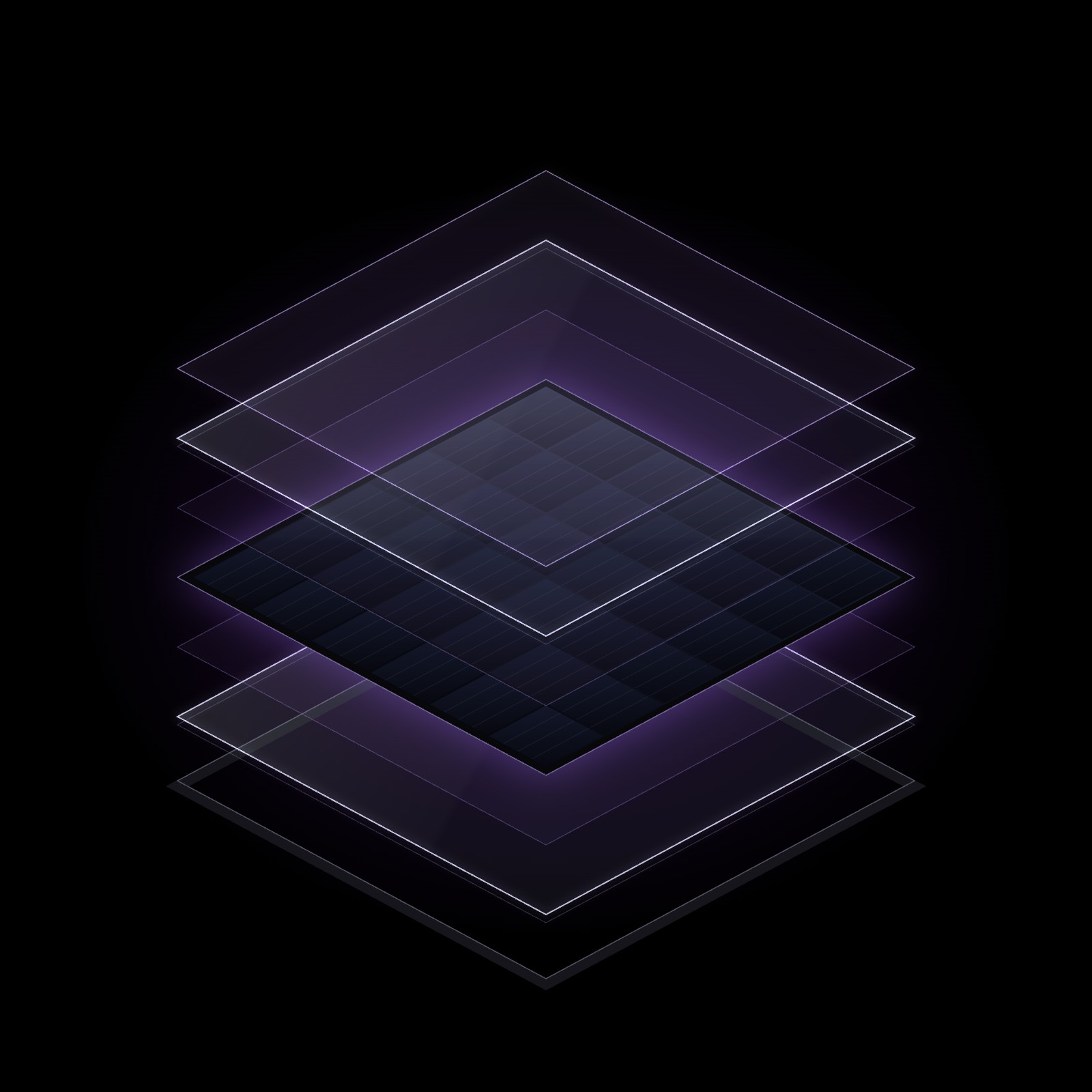
Glass holds its physical properties as conditions change. Enclosed within it, the cells live in a stable environment.
Complexity introduces vulnerability. Every component serves one defined purpose within the whole.
Uniform behaviour across circumstances, preserving the same character over decades of operation.
Crystalline and amorphous silicon combined in one bifacial cell. It starts converting early in the diffuse light of dawn, dusk and northern cloud and holds its output in the heat, while the rear face gathers what the surface reflects.
A thin oxide layer passivates the contacts of an n-type cell, so less of the current it generates is lost. The result is high output from a residential format, with fine silver lines across a dark surface.
Every electrical contact moves to the rear of the cell. With no lines to shade the front, the whole surface gathers light and reads as one black plane.